


The Complete Guide to Restaurant & Hospitality Technology and IT in 2026
Restaurant technology affects nearly every part of hospitality operations, from the moment a guest places an order to the final transaction of the night.
In 2026, successful restaurant technology planning involves more than purchasing the latest equipment. It requires reliable infrastructure, connected systems, appropriate security, and a strategy that supports daily operations. Whether you're opening a restaurant in Denver, upgrading an established property, or managing multiple hospitality locations, understanding the technology behind your business can help you avoid costly disruptions and make smarter investments. This guide explains the essential components of restaurant and hospitality IT, how they work together, and what operators should prioritize.

What Is Restaurant and Hospitality Technology?
Restaurant and hospitality technology includes the hardware, software, networks, and digital systems used to manage operations, process transactions, serve guests, and support employees.
These systems typically include:
- Point-of-sale systems and payment processing
- Internet connectivity and network infrastructure
- Kitchen display systems and order management
- Guest and employee Wi-Fi
- Inventory, scheduling, and accounting software
- Cybersecurity and data protection
- Property management systems for hotels
- Ongoing IT support and technology maintenance
The goal isn’t simply to add more technology. It’s to create an environment where systems communicate effectively, employees can work efficiently, and guests receive consistent service.
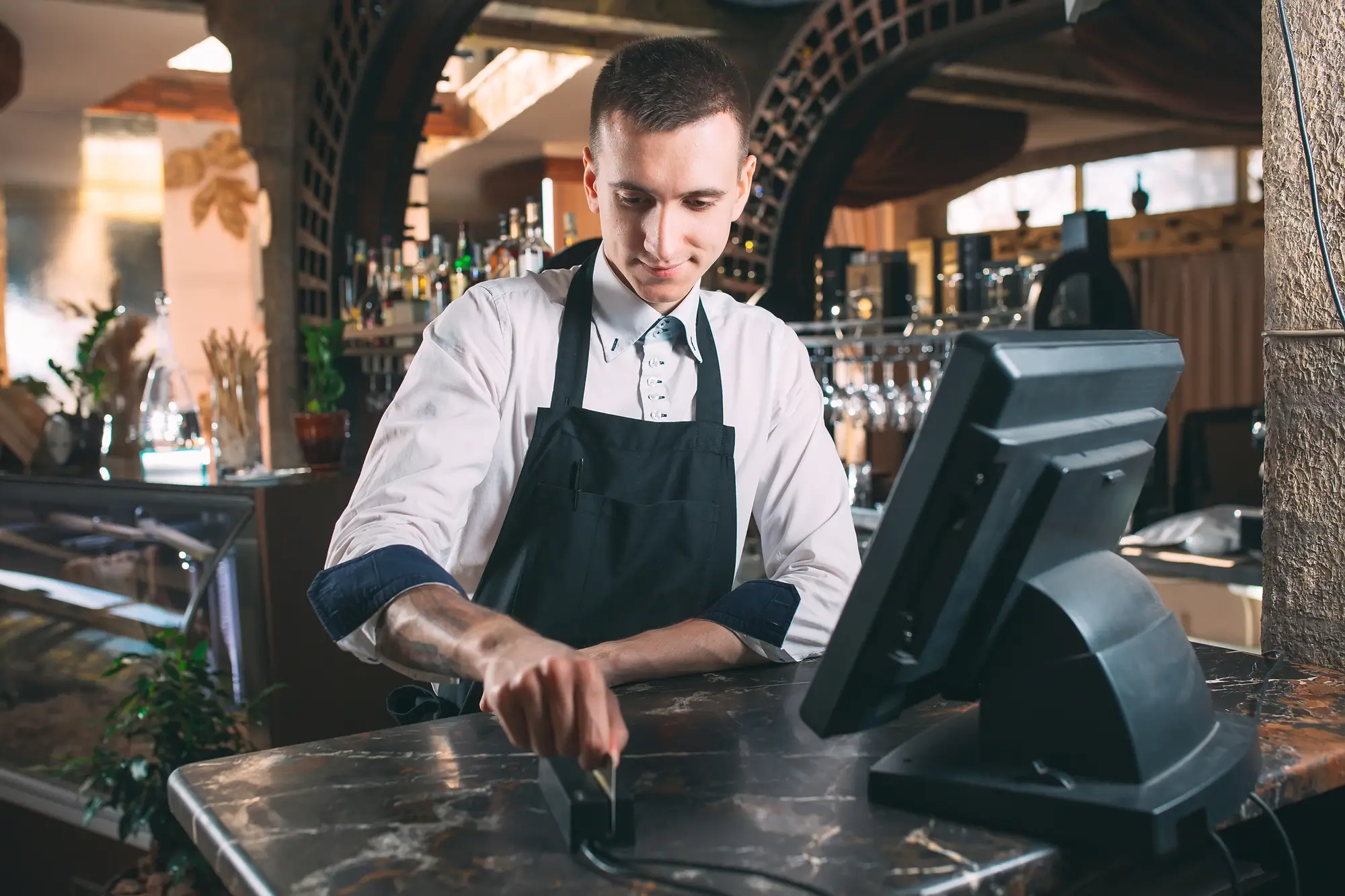
Restaurant POS Systems: The Center of Daily Operations
A restaurant’s POS system does much more than process payments. Modern platforms can connect ordering, menu management, kitchen communication, reporting, and third-party services.
When evaluating restaurant POS technology, operators should consider:
- Operational fit: Does the system support table service, quick service, bar operations, or multiple concepts?
- Integrations: Can it connect with accounting, inventory, online ordering, and scheduling platforms?
- Reliability: What functions remain available during an internet outage?
- Reporting: Can management access useful sales, labor, and product performance data?
- Support: What assistance is available during operating hours?
POS Implementation and Migration
Switching POS systems involves considerably more than replacing terminals.
A successful migration requires menu and database configuration, hardware placement, network readiness, payment integration, staff training, and a carefully coordinated launch.
Operators should also test discounts, modifiers, taxes, tips, refunds, kitchen routing, and end-of-day reporting before going live.
Working with an experienced restaurant POS implementation consultant can help coordinate vendors, identify potential compatibility issues, and reduce operational disruption during the transition.
A platform that works well for one location may become difficult to manage as the business expands.
Restaurant Networking, Wi-Fi, and Internet Connectivity
Your restaurant network is the foundation supporting connected technology.
POS terminals, kitchen displays, payment devices, office computers, security cameras, and guest Wi-Fi may all depend on the same underlying infrastructure.
A properly designed network should provide reliable coverage, appropriate bandwidth, secure access, and room for future expansion.
Why Should Restaurants Separate Guest and Business Wi-Fi?
Guest Wi-Fi should be logically separated from operational systems to reduce unnecessary exposure of sensitive business devices.
A well-designed network can establish separate access for payment systems, employees, guests, and connected equipment while allowing approved systems to communicate when necessary.
Wireless access points should also be positioned according to the property’s layout. Kitchens, thick walls, outdoor patios, and large dining areas can create coverage challenges that require careful planning.
Backup Internet and Automatic Failover
What happens when your restaurant loses internet connectivity during dinner service?
Depending on the POS platform and its offline capabilities, an outage may interrupt payment authorization, online ordering, reporting, or other essential functions.
Backup internet failover automatically switches supported network traffic to a secondary connection when the primary service becomes unavailable.
Cellular backup is one option, although performance depends on coverage, equipment, configuration, and available bandwidth.
For businesses where connectivity directly affects revenue, restaurant backup internet and failover solutions should be part of the infrastructure conversation.
Low-Voltage Infrastructure: Planning Before Installation
Low-voltage infrastructure includes the cabling and related systems supporting networking, communications, security cameras, access control, and audiovisual equipment.
It’s especially important during restaurant construction and renovation.
Technology planning should happen before walls and ceilings are finished, not after equipment arrives.
Consider where POS terminals, printers, kitchen displays, network cabinets, wireless access points, and security devices will be located.
Documenting cable runs, labeling connections, and allowing for future expansion can make maintenance and upgrades significantly easier.

Payment Technology and Restaurant Cybersecurity
Restaurants handle sensitive payment and business information every day. Protecting that information requires both secure technology and responsible operating procedures.
The Payment Card Industry Data Security Standard (PCI DSS) establishes security requirements for organizations that store, process, or transmit payment card information, as well as certain systems that can affect payment security.
Important safeguards include:
- Strong access controls and multifactor authentication
- Secure payment terminals and approved processing solutions
- Network segmentation
- Timely software and firmware updates
- Restricted administrative permissions
- Regular backups and recovery planning
- Employee cybersecurity awareness
Using a third-party payment processor does not automatically eliminate a restaurant’s PCI DSS responsibilities. Requirements depend on the payment environment and applicable assessment criteria.
Cybersecurity should be evaluated whenever payment systems, vendors, networks, or connected devices change.
Kitchen Technology and Kitchen Display Systems
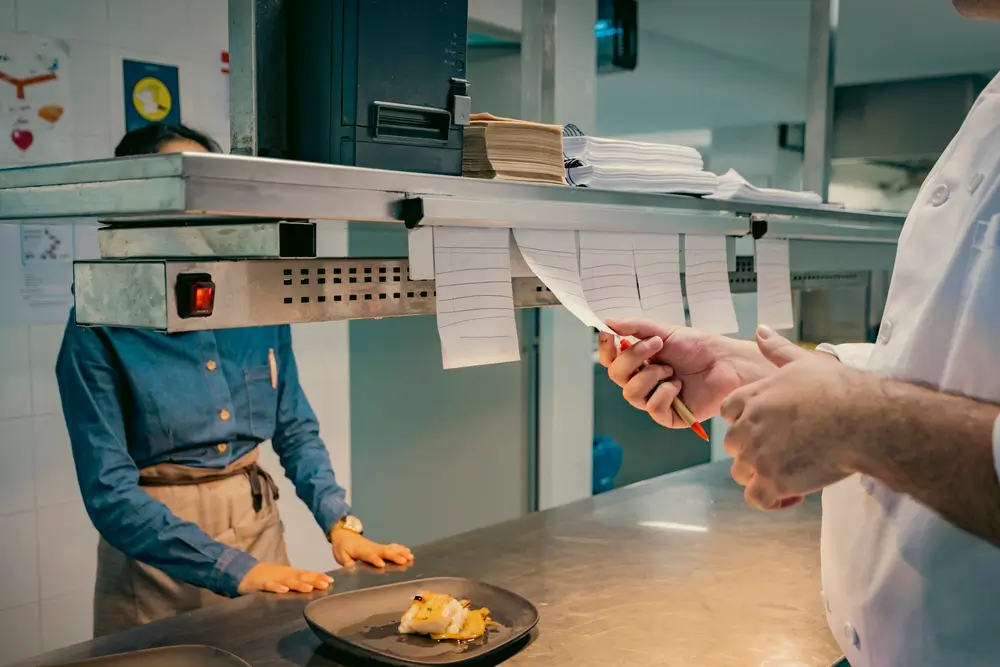
Kitchen display systems (KDS) replace or supplement printed tickets with digital order information.
Depending on the platform, they can route orders to preparation stations, display modifiers, track ticket timing, and coordinate order completion.
For example, a restaurant may need separate displays for the grill, cold station, and expo area.
The most important consideration is how the technology supports the actual kitchen workflow.
A poorly configured system can introduce confusion rather than improve service.
Kitchen technology should be tested during realistic operating conditions, including high-volume periods, complex orders, and changes or cancellations.
Restaurant Software Integrations and Data Management
Restaurants often use separate platforms for accounting, payroll, inventory, reservations, online ordering, loyalty programs, and reporting.
When these systems operate independently, employees may spend unnecessary time entering the same information in multiple places.
Effective integration allows compatible systems to exchange data and support more consistent reporting.
For example, connecting POS sales data with inventory software can help management compare product usage against recorded sales.
However, integrations require careful planning around data accuracy, vendor compatibility, permissions, and ongoing maintenance.
Bearheart Consulting provides restaurant systems integration consulting to help hospitality operators connect essential platforms and improve operational visibility.
Technology Planning for New Restaurant and Hotel Openings
Opening a hospitality property involves coordinating numerous technology vendors, often alongside construction schedules and operational deadlines.
Internet installation, structured cabling, POS configuration, security systems, audiovisual equipment, and employee training all need to happen in the proper sequence.
A practical opening plan should include:
- Discovery: Identify the concept’s operational requirements and technology needs.
- Infrastructure design: Plan cabling, power, connectivity, and equipment locations.
- Vendor coordination: Establish responsibilities, dependencies, and installation schedules.
- System deployment: Install and configure equipment and software.
- Testing and training: Verify workflows before opening.
- Launch support: Resolve issues and establish ongoing support procedures.

For Denver-area hospitality projects, internet serviceability, building access, contractor coordination, and installation lead times should be evaluated early.
Bearheart’s new restaurant and hospitality property opening services help operators coordinate these technology requirements from planning through launch.
Multi-Location Restaurant Technology and Ongoing IT Support
Technology becomes more complicated as hospitality businesses expand.
Multiple locations may require standardized POS configurations, centralized reporting, consistent security policies, and coordinated vendor management.
Standardization can simplify employee training, troubleshooting, purchasing, and future openings. However, individual properties may still need different configurations based on their operating concepts.
Ongoing IT support should address more than emergency repairs.
A practical support strategy includes system documentation, monitoring, updates, vendor coordination, troubleshooting procedures, and equipment replacement planning.
Recurring POS freezes, disconnected printers, and unreliable Wi-Fi may indicate underlying infrastructure issues rather than isolated equipment failures.
For additional warning signs, read 5 Signs Your Restaurant Needs IT Support.
How Much Should Restaurants Budget for Technology?
Restaurant technology costs vary according to property size, operating model, number of terminals, existing infrastructure, software requirements, and support expectations.
Rather than focusing only on initial equipment costs, operators should evaluate total cost of ownership.
| Budget category | Typical expenses |
|---|---|
| Initial infrastructure | Cabling, network equipment, installation |
| Hardware | POS terminals, printers, kitchen displays |
| Software | Subscriptions, licensing, integrations |
| Connectivity | Internet, backup circuits, Wi-Fi |
| Security | Firewalls, monitoring, access controls |
| Support | Maintenance, troubleshooting, vendor management |
| Lifecycle planning | Replacements, upgrades, future expansion |
A technology budget should also account for contract renewal dates, warranties, end-of-support timelines, and contingency expenses.
Reviewing equipment and software annually helps operators identify systems approaching replacement before failures interrupt service.
Restaurant Technology Trends for 2026 and Beyond
Restaurant technology continues to evolve, but not every new feature deserves immediate investment.
Several areas warrant attention:
AI-assisted analytics: Software vendors are introducing tools that help interpret sales patterns, forecast demand, and support purchasing decisions. Operators should evaluate data quality and verify recommendations before relying on them.
Connected restaurant platforms: Greater integration between POS, inventory, accounting, and guest-facing applications can reduce fragmented workflows.
Flexible payment experiences: Mobile, contactless, and tableside payment options continue to influence how restaurants manage transactions.
Resilient connectivity: Cloud-dependent systems make network reliability, offline functionality, and backup internet increasingly important.
Centralized multi-location management: Growing restaurant groups benefit from consistent configurations, reporting, security, and vendor oversight.
The strongest technology strategy prioritizes measurable operational needs rather than adopting tools simply because they’re new.
Frequently Asked Questions About Restaurant Technology
What technology does a restaurant need?
What is the most important restaurant IT investment?
Can a restaurant operate when the internet goes down?
How often should restaurants upgrade their technology?
What does a hospitality IT consultant do?
Build a Restaurant Technology Strategy That Supports Your Operations
Restaurant technology should make hospitality easier, not create another layer of operational complexity.
From POS implementation and reliable networking to new property openings and multi-location systems, the right technology strategy helps operators reduce avoidable disruptions and prepare for growth.
Bearheart Consulting specializes in hospitality technology solutions designed around real restaurant and hotel operations. With experience across property openings, POS implementation, infrastructure planning, and systems integration, Bearheart helps businesses make informed technology decisions.
Whether you’re planning a new Denver restaurant, upgrading an existing location, or evaluating technology across multiple properties, explore Bearheart’s hospitality technology consulting services and connect with the team to discuss your project.
Build Smarter, More Reliable Hospitality Technology
From POS implementation and restaurant networking to new property openings and ongoing IT support, Bearheart Consulting helps restaurants and hospitality businesses build technology systems that work together. Whether you're opening a new location, upgrading outdated systems, or planning for growth, our team can help you find the right solutions for your operations.